ACT-KA-000204 · Rev. 1 · Improvement Actions

How to improve CII
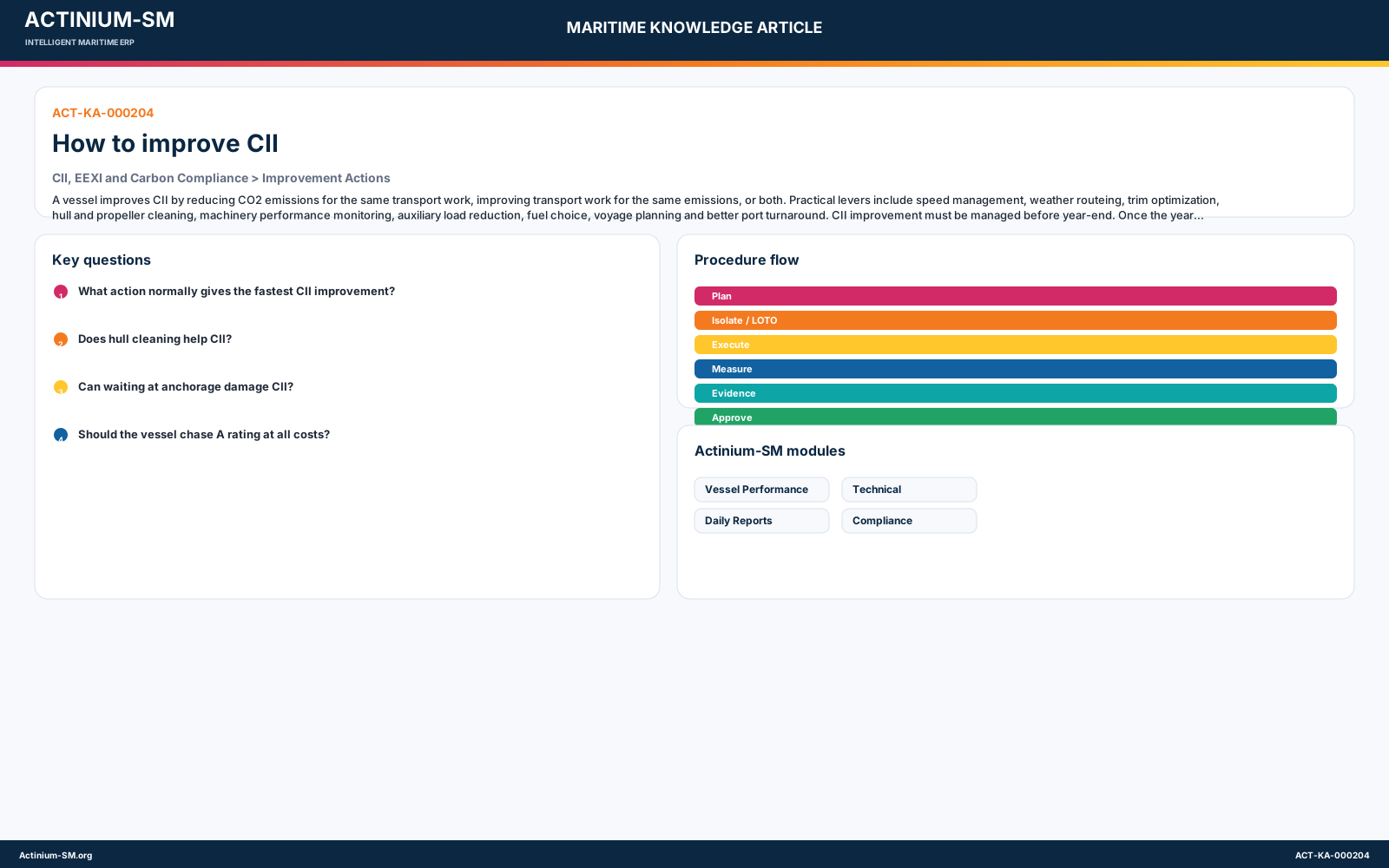
A vessel improves CII by reducing CO2 emissions for the same transport work, improving transport work for the same emissions, or both. Practical levers include speed management, weather routeing, trim optimization, hull and propeller cleaning, machinery performance monitoring, auxiliary load reduction, fuel choice, voyage planning and better port turnaround. CII improvement must be managed before year-end. Once the year closes, the rating is largely fixed except for permitted corrections or verified data adjustments.
Difficulty: IntermediateReviewed: 2026-07-24
improve CIICII action planhull cleaningspeed optimizationvoyage optimization
How to improve CII — Actinium-SM knowledge graphic
Knowledge graphic · ACT-KA-000204

Frequently Asked Questions

What action normally gives the fastest CII improvement?

Speed and voyage planning usually give the fastest operational impact because fuel consumption rises strongly with speed. However, commercial commitments and safety must always be considered.

Does hull cleaning help CII?

Yes. Fouling increases resistance and fuel consumption. Hull and propeller cleaning can reduce fuel consumption where fouling is present.

Can waiting at anchorage damage CII?

Yes. Fuel consumed during waiting adds CO2, while transport work may not increase. Long waiting periods can weaken annual CII.

Should the vessel chase A rating at all costs?

No. The objective is compliant and commercially sensible performance. Safety, charter party obligations, weather, cargo care and machinery limits remain primary constraints.

Technical Explanation

CII actions should be ranked by impact, cost, speed of implementation and operational risk. A good improvement plan separates immediate actions from medium-term actions. Immediate actions: • Optimize speed and RPM profile. • Improve weather routeing and current avoidance. • Reduce unnecessary auxiliary load. • Improve noon report data quality. • Monitor engine and hull performance. Medium-term actions: • Hull and propeller cleaning. • Propeller polishing. • Main engine tuning and turbocharger cleaning. • Voyage and port turnaround coordination. • Energy-saving devices where technically justified. Strategic actions: • Fuel change. • Shaft/engine power limitation where relevant. • Wind assistance, air lubrication or other retrofit options. • Charter party clauses that support efficient operation.

Step-by-Step Procedures

1. Identify vessels trending to C/D/E. 2. Break down CO2 by voyage, fuel type, operating mode and month. 3. Check hull, propeller and engine performance evidence. 4. Simulate operational actions and rating impact. 5. Agree actions with operations, technical and chartering teams. 6. Record actions in SEEMP Part III. 7. Review rating forecast every month.

Checklists

• Speed instructions reviewed • Weather routeing used and documented • Hull/propeller condition reviewed • Main engine SFOC and exhaust balance checked • Auxiliary load reduction opportunities listed • Port waiting time and idle fuel reviewed • SEEMP action owners assigned

Practical Case Studies

A vessel trending to D reduces average sea speed by 0.5 knots where charter schedule permits, cleans the propeller, removes unnecessary auxiliary loads and improves weather routeing. Fuel consumption drops by 5-8 percent on similar voyages, moving the forecast from D to C before year-end.

KPI Monitoring

• Fuel per nautical mile • CO2 per nautical mile • Attained CII margin to C boundary • Hull cleaning overdue days • Engine performance deviation • Idle fuel percentage

Related Actinium-SM Modules

• CII simulator • Vessel performance charts • Hull and machinery performance evidence • SEEMP corrective action tracking • Fleet ranking by rating risk
  • CII simulator
  • Vessel performance charts
  • Hull and machinery performance evidence
  • SEEMP corrective action tracking
  • Fleet ranking by rating risk
Vessel PerformanceTechnicalDaily ReportsCompliance

References

• IMO EEXI/CII FAQ improvement examples such as hull cleaning, routeing optimization and energy efficiency measures. • IMO SEEMP guidance for energy efficiency management.

Use Actinium-SM to convert CII analysis into accountable vessel action plans.

Turn encyclopedia knowledge into executed jobs, evidence, and audit-ready records.

Last review: 2026-07-24